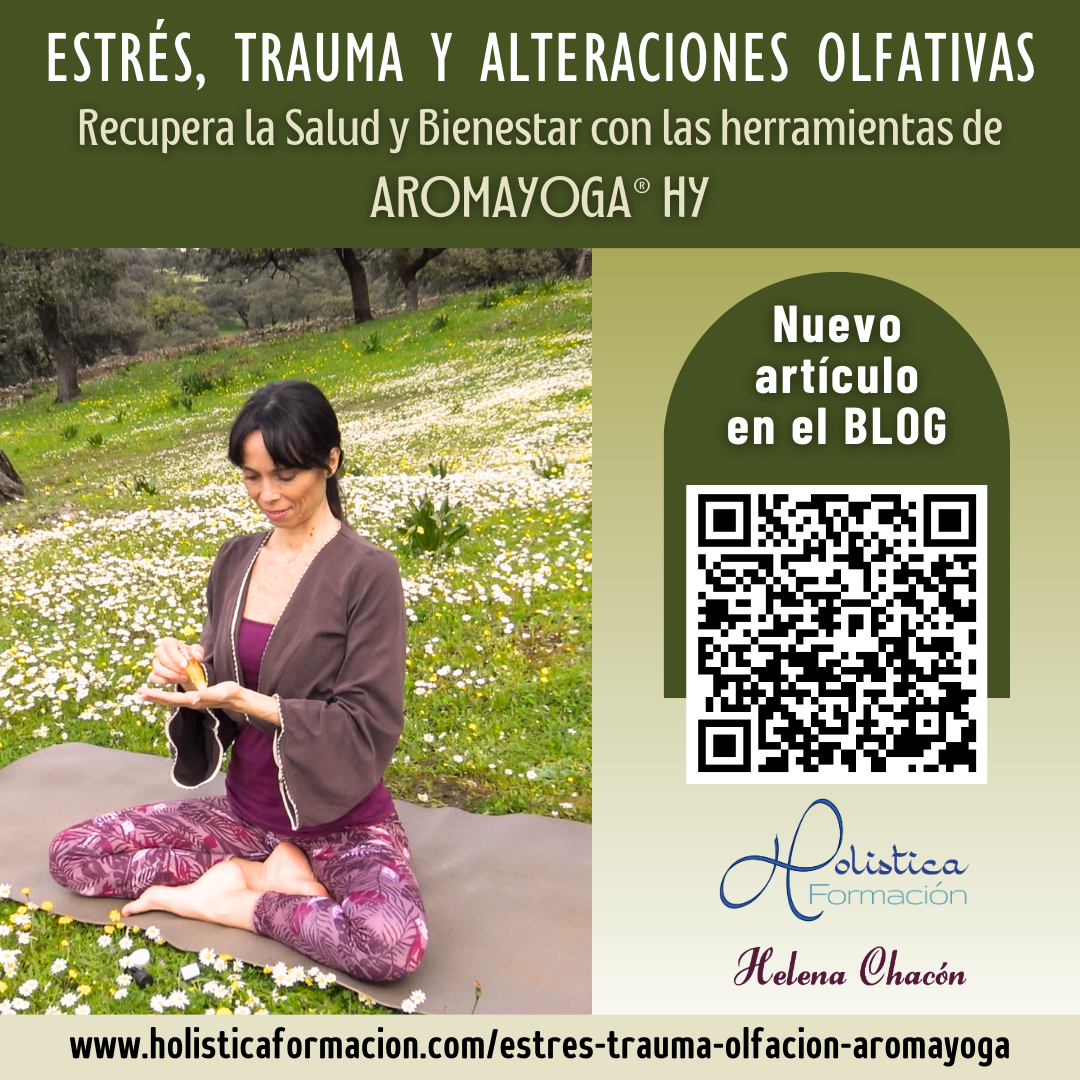
STRESS, TRAUMA AND OLFACTORY DISORDERS. Restore your health and wellbeing with the tools of AROMAYOGA® HY
HEALTH AND WELLBEING, THE TALÓ21ST-CENTURY ACHILLESES
In recent decades, society has made great strides in technology and communication. Artificial intelligence is changing our present and our way of life so rapidly that it will test humanity’s ability to adapt. Are we really ready for all the changes we have been experiencing and will experience in the coming decades? Is our nervous system prepared? Technological progress has brought greater comfort to humankind; however, the general sense of “well-being” has declined considerably across the globe. Stress, anxiety, depression, distress and so on have all increased in recent years. New technologies, the economic crisis, the loss of values, climate change, etc., are just some of the triggers of an “increasingly unwell society”, which has no time to rest in a world that is moving ever faster.
NEUROPLASTICITY, ADAPTIVE HOPE
Neuroplasticity, a term first used in 1948 by Jerzy Konorski, has gained prominence in recent years. It refers to our nervous system’s ability to change its responsiveness to a stimulus or, to put it another way, the innate ability of our neurons to “learn” and alter their connections. In other words, we are capable of recovering, restructuring ourselves and adapting to new situations, thereby changing the way we behave, think and even remember. This discovery enables the modification of psychosomatic responses and behaviours, offering hope to people with trauma, PTSD, autism, ADHD, addictions, depression, obsessive-compulsive behaviours, stroke, etc.
This innate characteristic of our nervous system is what enables us to evolve as a species and adapt. As a human being, you have the ability to establish new neural pathways to develop different responses. You simply need to set your mind on changing and train yourself in the right direction using the right tools, rather than getting stuck in the mindset of “this is who I am and this is how I’ll always be”.
¿QUÉ THEY HAVE IN STOCKÚON THE STAGEÉS, TRAUMA AND DISORDERÓTHE SENSE OF SMELL?
The techniques proposed by AromaYoga are specially designed and developed for people suffering from emotional and mental imbalance caused by stress, trauma or some form of olfactory disturbance. At first glance, these terms may seem unrelated, but this is not the case. Stress and trauma are closely linked. Any trauma is an adaptive response to stress. The problem is that balance was not restored afterwards. The trauma remains “encapsulated” in the form of a psychosomatic memory, triggering situations that the person perceives as stressful when a trigger acts as a reminder of the initial situation. Both stress and trauma can alter the sense of smell, either by causing a loss of smell or a disturbance in perception. Similarly, a disturbance in the ability to perceive the smells around us leads to significant emotional distress and increased stress levels. The individual feels more vulnerable, with a tendency towards depressive symptoms (Croy and Hummel 2017; Kohli et al. 2016) and difficulties in their social interactions (Blomkvist and Hofer 2021).
Let’s look at each of these conditions in turn to see how AromaYoga can help.
ESTRÉS, STATISTICAL DATAÍSTICOS
Mental and emotional health has deteriorated worldwide in recent years, particularly since the pandemic. According to a study*, in 2022 Spain ranked as the fifth country with the highest levels of stress in the entire European Union, including the United Kingdom.
What exactly is stress? Stress is the body’s psychological and physiological reaction when it perceives a danger. This reaction is healthy and serves a purpose within a balanced body. The problem arises when the physiological reaction – which causes changes in the circulatory, digestive, musculoskeletal and endocrine systems, amongst others – persists over time and does not subside even though the “stimulus” has disappeared. This latter type of “negative” stress is known as “distress”, and its consequences are “catastrophic” not only for the individual – whose personal, family and work life, amongst other areas, may be affected – but also for the health of society as a whole.
As a result of stress, we are currently seeing a dangerous rise in conditions related to our emotional and mental well-being, such as depression, anxiety, worry, etc. A study published in the Proceedings of the National Academy of Sciences of the United States of America (PNAS) A study involving more than 1.5 million people from 113 countries showed that stress-related emotional disturbances have increased by between 25% and 31% over the last 10 years, having worsened considerably since the pandemic. The World Health Organisation (WHO) has also highlighted psychological disorders due to their high prevalence amongst the global population.
But beyond international organisations, what do people think? Four in ten people in Spain (39.3%) view their current mental health negatively, according to the 2022 study “The state of mental health in Spaina”. In fact, the figures are alarming: 4 in 10 people (42.1%) have suffered from depression at some point in their lives; 47.6% have experienced anxiety or panic attacks, 36.9% have suffered from prolonged anxiety, and 14.5% of the population have had suicidal thoughts or attempted suicide at some point.
Clearly, based on these figures, it can be concluded that there is still much work to be done and research to be carried out in the field of emotional and mental health, and that techniques and tools need to be provided to help people navigate change and live their lives to the full.
TRAUMA, THE MEMORY OF THE ESTRÉS
Trauma is a psychosomatic reaction to an event that the individual perceives as stressful and beyond their ability to cope with. We all have traumas or memories of stressful situations that limit our capacity for free and conscious action. However, there are situations that have a profound impact and leave a deeply limiting mark, such as having lived in a region of armed conflict, having fought in a war, experiencing a natural disaster, or suffering sexual abuse during childhood.
According to McLaughlin KA et al. More than 60% of men and 50% of women have experienced psychological trauma during childhood, which significantly increases the risk of developing depression in adulthood. Guillermo Lahera, Professor of Psychiatry at the University of Alcalá, emphasises that childhood trauma has neurobiological, physical, behavioural and psychosocial effects.
There are various types of trauma (acute, chronic and complex), and all of them affect a person’s psyche in one way or another, disrupting their emotions and leading to low self-esteem and feelings of inadequacy, insecurity, an inability to control emotions, depression, anxiety, etc., and sometimes even impulsive and violent behaviour. These imbalances stem from a malfunction of the autonomic nervous system. When a person undergoes an intense life experience, it is recorded in the hippocampus (where memories are stored) and in the body’s tissues (muscular and fascial receptors). If there is no trigger, the person may appear to be normal, but the moment a stimulus triggers the physiological reactions associated with the memory, the regions of the brain responsible for emotions and memory (the amygdala and hippocampus) override the prefrontal cortex, leading to difficulty processing information, an inability to think or use reason, to learn or even to concentrate.
These mechanisms are explained very well by the Polyvagal Theory of Stephen Porges according to which our autonomic nervous system (ANS) (which functions without the need for conscious control) has three modes of action. The oldest in terms of human evolutionary development is the dorsal branch of the vagus nerve, which causes paralysis and a “freeze” response in the face of extreme fear. This adaptive response is triggered by an experience that the person perceives as “overwhelming”, and is what happens to some people who have been attacked or raped. The second adaptive response is the sympathetic branch, which is the “fight-or-flight” response. Here, the way of managing stress is not to ‘shut down the system’ as in the previous response, but quite the opposite. The body prepares to escape from danger by secreting cortisol, increasing the heart rate, and so on. Finally, the most modern response of the ANS is that produced by the ventral branch of the vagus nerve, which is characteristic of more modern mammals and which brings us a sense of well-being, peace and sociability. It is this latter branch that we must stimulate in order to feel calm and at peace, both internally and with our surroundings. People whose lives are dominated by stress and trauma tend to oscillate between the sympathetic branch and the dorsal branch of the vagus nerve. For them, it is essential to ‘remember’ what it means to be calm, safe and at peace, and to establish patterns of emotional stability, mental reset and the creation of new neural pathways.
In this area, techniques based on yoga, meditation and aromatherapy offer exceptional support.
THE SENSE OF SMELL: THE GREATLY NEGLECTED SENSE
The sense of smell is the most primitive exteroceptive sense in humans and, at the same time, the most underrated. In recent years, a number of studies have highlighted the importance of this sense and its impairments, particularly since Covid-19 led to a significant increase in cases of anosmia (loss of smell) and hyposmia (reduced sense of smell) (Gerkin et al. 2020)
The discovery of the genes involved in the sense of smell by Linda Buck and Richard Axel in 1991 – for which they were awarded the Nobel Prize in 2004 – sparked widespread interest in this sense within the scientific community. Subsequently, in 2017, John McGann published an article in the prestigious journal *Science* in which he highlighted the underestimation of the human sense of smell. The article notes that in the 19th century, when research into the brain was first beginning, the erroneous assumption was made that the larger a region of the brain is, the more important the function it performs. As the area of the brain associated with the sense of smell is the olfactory bulb, which accounts for just 0.01 % of the total brain volume, it was considered an “obsolete” sense. Two essential factors were overlooked. On the one hand, size was prioritised over the number of neurons (which, in the case of the olfactory bulb, is 100 million); in other words, neuronal packing and the complexity of the circuits were not taken into account. On the other hand, no consideration was given to the fact that, whilst the sense of smell is primarily managed by the olfactory bulb, it subsequently impacts and stimulates a significant number of brain regions, creating emotional responses and memories, influencing concentration and learning, and even enhancing cognition. In the same year, Birte-Antina W. et al. demonstrated significant cognitive and emotional improvement, concluding that older adults who practised mindful smelling for five months experienced a rejuvenating effect. Research into older adults opened up an important line of inquiry by discovering that the loss of the sense of smell is a significant indicator of degenerative diseases (Hüttenbrink K. et al. (2013); Yong-ming Zou et al. (2016))
The sense of smell is the most important sense for our emotional wellbeing. This is because the sense of smell is the only one whose nerve endings directly stimulate the amygdala (our emotional centre) without necessarily passing through the thalamus (which processes and analyses the stimulus). In other words, when we inhale a scent, within 300 milliseconds the sensory perception is affecting the amygdala (emotions) and the hippocampus (memory). On the one hand, the scent evokes an emotion in us, as well as a memory if it is recognised. But, furthermore, the amygdala plays an important role in cognitive learning. Some studies have shown that children learn more and become more motivated in an environment that smells pleasant to them.
Emotions, memory and cognition are key to the development of neuroplasticity and, indeed, are the areas of the brain most affected by stress and trauma. Conscious olfaction offers a powerful solution that enables the neural reorganisation of these areas of the brain and equips the individual with new strategies for dealing with situations of stress and trauma.
OLFACTORY DISORDERS
It is known that the sense of smell is a prenatal sense; in other words, a baby can perceive smells before birth. Once born, the baby seeks out its mother by smell and explores the world around it through its sense of smell, creating memories and enabling the brain to strengthen neural and anatomical pathways. Any impairment of the olfactory system has a significant impact on the emotional and social spheres, causing feelings of fear, loneliness, insecurity, a lack of joy, and so on.
When a person loses their sense of smell, they begin to feel insecure as they cannot detect signs of danger such as a gas leak, a fire or spoiled food. Similarly, they cannot perceive the scent of their loved ones in intimate situations, nor can they perceive their own scent and recognise if they “smell bad”. On a social level, if the person has not lost their sense of taste, they will only perceive the five basic tastes in food, but will not enjoy the thousands of aromas that the sense of smell allows us to perceive whilst eating, and which make a meal a sublime experience. A mother may feel frustrated at not being able to smell her baby (a mother sniffs her child after giving birth to identify and recognise its scent) or to recognise when the baby has passed stools or urinated. Furthermore, the sense of smell also stimulates our hippocampus, the part of the brain where we store memories. Olfactory memories allow us to relive past situations, such as recalling the scent of the biscuits our grandmother used to bake, or sensing the scent of the woodland from our childhood. In short, what our sense of smell provides us with is a sense of security in our surroundings, a connection with other human beings, and a sense of joy and pleasure that helps shape our EMOTIONAL MAP. According to Marta Tafalla, a professor of Philosophy at the University of Barcelona, it has an “enveloping” effect that makes you feel that the air around you is not empty, but rather that it envelops you. Those who suffer from anosmia lose this sensation and enter a state of personal and social “isolation”.
Statistical data reveal an alarming trend regarding the olfactory health of society. Cases of anosmia (total loss of smell) have risen significantly over the last five years due to Covid-19. Research by Barón-Sánchez J. et al. highlights that 91.18% of those with impaired sense of smell tested positive for COVID-19. Of these, almost 80 % of the patients regained their sense of smell within 9 to 28 days. However, 22.6% never regained their sense of smell or only regained it partially. Other causes of anosmia include viral infections, rhinitis or polyps, head trauma, tumours, or even congenital factors (1 in every 10,000 people has never been able to perceive any smell).
Furthermore, there are other types of olfactory disorders that can also destabilise the emotional state of those affected, such as hyperosmia (an excessive increase in the sense of smell), hyposmia (a reduced ability to detect odours), osmophobia (fear of certain odours), cacosmia (an unpleasant odour without an external stimulus), parosmia (a repulsive and unpleasant odour in scents that were previously pleasant), phantosmia (smelling odours that are not there), etc. The study by Tan B. K. J. et al. (2022) estimates that there are 15 million people with olfactory disorders worldwide.
SNIFFING TRAINING
The olfactory nerve is capable of regenerating throughout a person’s lifetime (Wilson D.A. et al. 2004) thanks to the neuroplasticity of the olfactory system. Similarly, basal cells can also repair the olfactory epithelium after it has been damaged (Schwob JE et al. 1999), as occurs with viral infections such as Covid-19. Consequently, people with olfactory impairments have a glimmer of hope thanks to the brain’s plasticity and its capacity for regeneration. To this end, researchers in the field of olfaction have developed “olfactory training” protocols.
Olfactory Training (OT) involves the repeated and structured exposure to different odours over a relatively long period of time. There are various protocols, but the basic approach involves using different categories of odours (floral, fruity, aromatic and resinous/balsamic) and repeating the process over time, at least twice a day for a variable period (12 to 56 weeks). Hummel et al. pioneered this approach in 2009 with the creation of Classical Olfactory Training (COT), through which they achieved excellent results in cases of post-infectious anosmia (PIAN), post-traumatic (POT) and idiopathic anosmia, excluding patients with nasosinus pathology. In 2012, Fleiner et al. also included patients with chronic rhinosinusitis and demonstrated that the improvement achievable through olfactory training was sustained over time.
In recent years, several studies have demonstrated the sustained effectiveness of olfactory training: 67.8% in patients with post-infectious anosmia and 33.2% in those with post-traumatic anosmia (Konstantinidis et al. 2013) following 16-week treatment courses; 79% in post-infectious anosmia when treatment was extended to 32 weeks (Geissler et al. 2014)
As Pieniak M et al. point out in their 2022 article “Olfactory training – A review of thirteen years of research”, there is still a great deal of research to be done into the potential of olfactory training. We still need to understand the mechanisms involved in the improvement, which factors influence it, what the cognitive effects of olfaction are, etc., and to what extent results can be improved by incorporating breathing techniques, meditation, somatic exercises, etc.
EMOTIONAL WELL-BEING BASED ON SELF-CARE
The current healthcare system enables people to manage the symptoms of their illness, receive psychological support and even join support groups. There are a number of associations and foundations doing extraordinary work to help people who are psychologically vulnerable and need support to move beyond their current situation. All this support is necessary, but statistics show that it does not always deliver the expected results. The key to improving society’s emotional health inevitably lies in preventive medicine and a holistic understanding of health.
Every person is a universe in their own right. The various personal, family and social factors, amongst others, that make up a person’s environment, and the way in which they themselves cope with stressful situations and problems, highlight the importance of adopting a personalised – or at the very least “tailored” – treatment plan. This is important because, when working with stress, trauma and olfactory disturbances, each person’s past experiences and autobiographical memory are essential to the healing and preventative process. Specifically, the sense of smell is the most subjective of the senses, as its neural stimulation is based on what the person is feeling in the present moment and, above all, on how they perceive a scent based on their past and present experiences. In other words, we cannot establish an olfactory protocol based solely on neural stimulation without taking personal history into account.
The AromaYoga project offers self-care techniques and tools which complement medical protocols but which, when applied correctly, also promote emotional management, mental control and personal empowerment, providing resources that enable people to self-manage stress before it develops into an established condition requiring medical attention. It also offers its own olfactory training programme through a set of useful, simple and practical tools suitable for everyone, based on the latest research into olfactory neuroscience, mindfulness and psychophysical techniques. In this way, people will have the opportunity to “re-learn how to look after themselves” through preventative tools that help them avoid reaching breaking points.
AROMAYOGA® PROJECT
The AromaYoga Project offers a programme that combines mindful smelling, meditation and psychophysical techniques
PREPARATORY EXERCISES
Before practising mindful smelling and other techniques offered by AromaYoga, it is important to prepare the body and the mind. To this end, we offer a set of simple exercises based on body awareness, grounding, heartfulness, myofascial release using balls, activation of the ventral vagus nerve, somatic mobilisation of the spine and neck, and neck self-massage with acupressure to prepare the nervous and respiratory systems.
OLFACIÓN CONSCIENTIOUS (Aromafulness)
Mindful Smelling is based on mindfulness of three aspects of the olfactory process:
- EMOTIONS – We observe the emotions that arise after inhaling a scent to promote self-awareness and the development of emotional intelligence. The amygdala generates emotions such as fear, anxiety, stress, depression, irritability, worry, etc. Mindful inhalation increases the size of the olfactory bulb, which in turn leads to a reduction in the size of the amygdala and a decrease in negative emotions (Croy I. et al. 2014)
- MEMORY – It is well known that when we breathe in through our nose, our neurons align to enhance memory. According to a study by New York University (Celano C. et al. 2016). However, 80% of the population breathe through their mouths, which impairs memory formation. When we combine mindful breathing with a scent, we foster emotional self-awareness, use our memories to learn, and create new olfactory memories that serve as an anchor for our wellbeing.
- COGNITION – LANGUAGE – It is well known that when a person feels paralysed or stressed by trauma, their cognitive functions are significantly impaired (concentration, reasoning, decision-making, etc.). AromaYoga’s Olfactory Language exercises consist of a set of exercises designed to enable participants to express in words what they perceive through conscious smell. These exercises provide ideal training for the development of cognitive functions and brain neuroplasticity.
AFFIRMATIONS (AromaSankalpa)
According to neuroscience, the subconscious controls 95% of our lives. Making positive thinking and affirmations a way of life is a simple tool that promotes brain neuroplasticity. The BioAgla Psychology Centre defines them as follows:
“Affirmations are essentially a form of self-suggestion that triggers expansive states of mind and calms the reactivity of the limbic regions responsible for triggering a fight-or-flight response in our nervous system; when repeated consistently, they become embedded in our brains as neural patterns, sowing the seeds of our inner strengths. They do not have the power to change situations in and of themselves, but they do have the potential to transform the way we perceive and interpret those situations. By replacing negativity with new information, new brain regions are stimulated and new neural structures are established, helping us to develop a positive mindset and break down the barriers that negative thinking creates in our daily lives.”
centroarcadiaagla.es / Centro Arcadia BIOAGLA
As part of the AromaYoga Project, we use affirmations alongside the inhalation of an aroma to embed that affirmation in our memory. This repeated process allows us to anchor positive thoughts and pleasant sensations, thereby broadening our “tolerance range” for situations that we cannot control and which we initially find “stressful”.
AROMATIC RITUALSTICOS (AromaRitual)
Aromatic rituals are small actions we can perform every day or week that allow us to engage with scent whilst fostering mindfulness and practising self-care. These include energy cleansing of spaces and people, aromatic baths or showers, creating an altar, and yogic and Ayurvedic nasal cleansing. When we develop a ritual and prioritise self-care, we establish a mind-heart connection that helps our emotions and thoughts to be aligned and in harmony, enabling us to enjoy life more fully.
SOMÁOLFACTORY TICA (AromaSoma – Asanas and Body Awareness)
There is no doubt today that practising yoga poses is a great ally against stress, trauma and emotional disturbances. We can observe the link between the body and emotions through heaviness in the shoulders, butterflies in the stomach, high blood pressure following an upset, and so on. This somatisation manifests itself primarily at the organic level (interoception) as well as in the musculoskeletal and fascial systems (proprioception).
We know that one part of our brain that is stimulated by the sense of smell is the insula. It is responsible for self-awareness (who I am) and for establishing a connection between our internal and external environments. Thanks to the insula, we can “embody” or “somatise” sensations or emotional states, develop empathy and foster social bonds. There is still much to be researched regarding the relationship between bodywork and olfactory disturbances. Olfactory somatic exercises open the door to exploration along three pathways:
- AROMASOMA – Through various guided exercises in mindful smelling, we explore bodily sensations. Where do I feel the scent? How does it affect my organs?
- AROMAYIN – We use Yin Yoga poses to pause and practise aromatic inhalations combined with mindfulness or affirmations.
- AROMAYANG – We incorporate mindful smelling, or ‘aromatic gestures’, into dynamic practices and sequences (Vinyasa) such as AromaNamaskar
BREATHINGCONSCIOUS BREATHING (AromaPrana)
When we breathe mindfully, parts of our brain that lie dormant during automatic breathing are awakened. This was already known to the ancient yogis, who developed a whole science of breathing known as “Pranayama”. At AromaYoga, we use a number of yogic breathing exercises alongside the incorporation of aromas to alter emotional and mental states and to support the sense of smell in people with anosmia. Richard Rosen (author of the book “The Yoga of Breath”) emphasises that slow, conscious breathing allows you to experience the scent more deeply. Olfactory training, combined with breathing exercises (slow, alternating, etc.), plays a key role for people suffering from stress, trauma and olfactory disorders.
UNCIÓN AND ENERGY INITIATIVESETHICAL (AromaMudra)
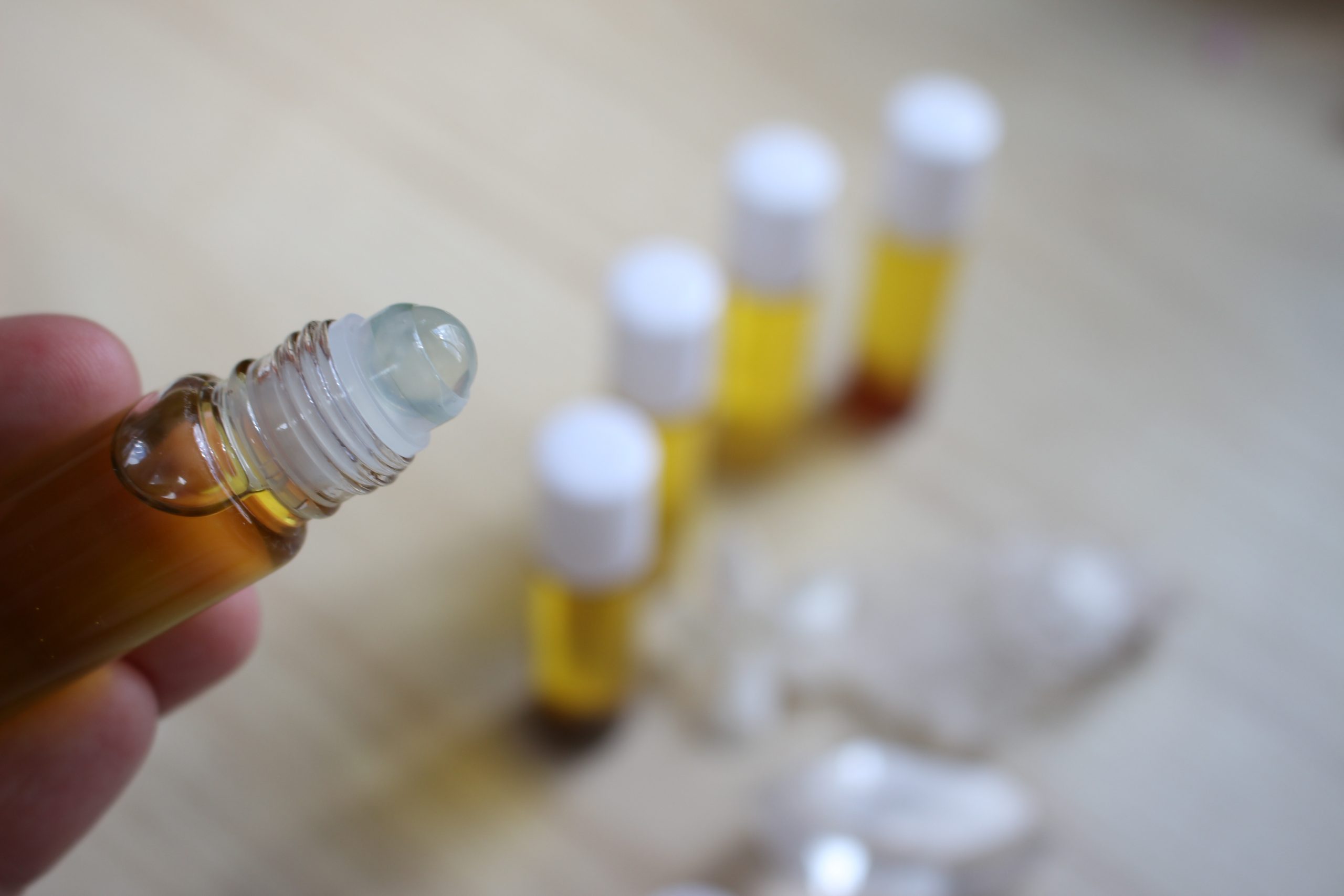
In aromatherapy, topical application (applied to the skin) is one of the best-known and most effective methods. We use this method to apply aromatic preparations to our hands and perform olfactory mudras with them. Mudras are energetic seals or gestures used in yoga to influence energy, emotions or thought. A large number of them are performed with the hands, both statically and dynamically. When we combine conscious smell with these gestures (AromaMudra), we develop mindfulness and establish new neural pathways, promoting brain neuroplasticity.
ACUPRESIÓN AND BÁLSAMOS AND AROM OILSPENTHOUSES (AcuAroma)
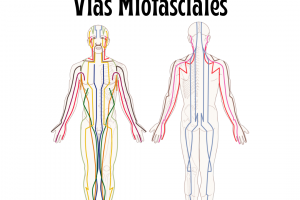
The human body is criss-crossed by a comprehensive network which science has recognised as our myofascial system and which many authors, including T. Myers, have linked to the Chinese meridians. Likewise, these “channels” have nodes or energy points that modern physiotherapy recognises as trigger points. These areas of the body are painful, stiff and tense, harbouring emotions and sensations that we have anchored during moments of stress or trauma. Applying pressure to them is a great aid to self-care, and if we also add aromatic blends, we can achieve complete emotional release, a ‘reset’ of past experiences and a rebalancing of our nervous system.
AROMATIC MEDITATION (AromaYogaNidra)
“Yoga Nidra” meditation is a comprehensive mental protocol based on several stages that allow us to gradually access the subconscious whilst maintaining our focus. The aim is to act as an observer throughout the process whilst purging and cleansing emotions and beliefs arising from stressful and traumatic situations. AromaYoga has developed a modified version of the classic Yoga Nidra sessions, incorporating the sense of smell as well as a connection to the Elements and the Plant Kingdom. This tool is essential for developing emotional intelligence and processing trauma.
AROMAYOGA® OLFACTORY TRAINING
AromaYoga® Olfactory Training is based on the Classic and Modified Olfactory Training programmes, in which four scents are smelled twice a day, but it also incorporates some of the tools mentioned above. In other words, it is based on the 5-Aroma Olfactory Training Protocol, alongside exercises and practices to enhance the sense of smell based on body awareness, meditation, acupressure, affirmations, etc.
CONCLUSION
Simple self-care techniques – which are easy to incorporate into daily life and help to increase one’s stress tolerance – are key in a fast-paced world that puts the emotional and mental health of millions of people to the test. These tools should not be applied according to a “standard” protocol, but should be tailored to the individual and their unique, personal needs. Thanks to them, people can find guidelines that offer stability and serenity, thereby increasing their stress tolerance, developing emotional intelligence and enhancing their brain’s plasticity.
At the same time, olfactory training exercises are an essential form of neurorehabilitation for people with olfactory impairments. Much research remains to be done into how this section of the population – whose condition is associated with emotional disturbances – can benefit when conscious olfaction is combined with yogic practices. In the author’s experience, it is rather frustrating to feel that olfactory training consists of spending days and weeks inhaling scents that you cannot actually smell. By incorporating other tools into the training (such as breathing exercises, meditation, acupressure, body-oriented work and positive affirmations), the individual feels more motivated and enthusiastic.
Written by Helena Chacón, founder of AromaYoga® at Holistic Yoga®
© Copyright 2023. All rights reserved
Discover the Connection between Spirituality, the Plant Kingdom and the Sense of Smell via the
The 3 Universal Principles of AromaYoga in the following video:
BIBLIOGRAPHYDAY
- *Based on data from Eurostat, Reuters, the Organisation for Economic Co-operation and Development (OECD), the International Monetary Fund and the World Bank, amongst other institutions
- Barón-Sánchez J. et al. (2020): Impact on the senses of smell and taste in mild coronavirus disease (COVID-19) among Spanish patients
- Birte-Antina W. et al. (2017): Olfactory training with older people
- Blomkvist, A. and Hofer, M. (2021): Olfactory Impairment and Close Social Relationships. A Narrative Review
- Buck L. and Axel R. (1991). A novel multigene family may encode odour receptors: a molecular basis for odour recognition
- Confederación Salud Mental España and the Mutua Madrileña Foundation (2022): “The state of mental health in Spaina”
- Celano C. et al. (2016): Nasal respiration entrains human limbic oscillations and modulates cognitive function
- Croy I. et al. (2014): Olfaction as a marker for depression in humans
- Fleiner et al. (2012): Active olfactory training for the treatment of smell disorders.
- Geissler K. et al. (2014): Olfactory training for patients with loss of smell following upper respiratory tract infections.
- Gerkin et al. (2020): The best predictor of COVID-19 is recent loss of smell: a cross-sectional study
- Hummel, T., Rissom, K., Reden, J., Hahner, A., Weidenbecher, M. and Huttenbronk, K. B. (2009). Effects of olfactory training in patients with olfactory loss. Laryngoscope, 119, 498-499.
- Hüttenbrink K. et al. (2013): Olfactory dysfunction: common in later life and an early warning sign of neurodegenerative disease.
- Kohli P. et al. (2016): The Association between Olfaction and Depression: A Systematic Review
- Konorski, J. (1948): Conditioned Reflexes and Neuron Organisation
- Croy I. and Hummel T. (2017): Olfaction as a marker for depression
- Konstantinidis et al. (2013): The use of olfactory training in post-traumatic and post-infectious olfactory dysfunction
- McGann, J. (2017): Poor human olfaction is a 19th-century myth
- McLaughlin KA et al. (2012): Childhood adversities and the first onset of psychiatric disorders in a national sample of US adolescents
- Myers, T. 2014: Anatomy Trains: Myofascial Meridians for Manual and Movement Therapists, 3rd ed.
- Pieniak M. et al. 2022: Olfactory training – A review of thirteen years of research
- Richard Rosen (2002): The Yoga of Breath: A Step-by-Step Guide to Pranayama
- Schwob J.E. et al. (1999): Reinnervation of the rat olfactory bulb following a methyl bromide-induced lesion: timing and extent of reinnervation
- Stephen Porges (1992): Polyvagal Theory
- Tan B. K. J. et al. (2022): Prognosis and persistence of smell and taste dysfunction in patients with COVID-19: a meta-analysis using parametric cure modelling of recovery curves
- Wilson D.A. et al. (2004): Plasticity in the olfactory system: lessons for the neurobiology of memory.
- Yong-ming Zou et al. (2016): Olfactory dysfunction in Alzheimer’s disease

You may also like